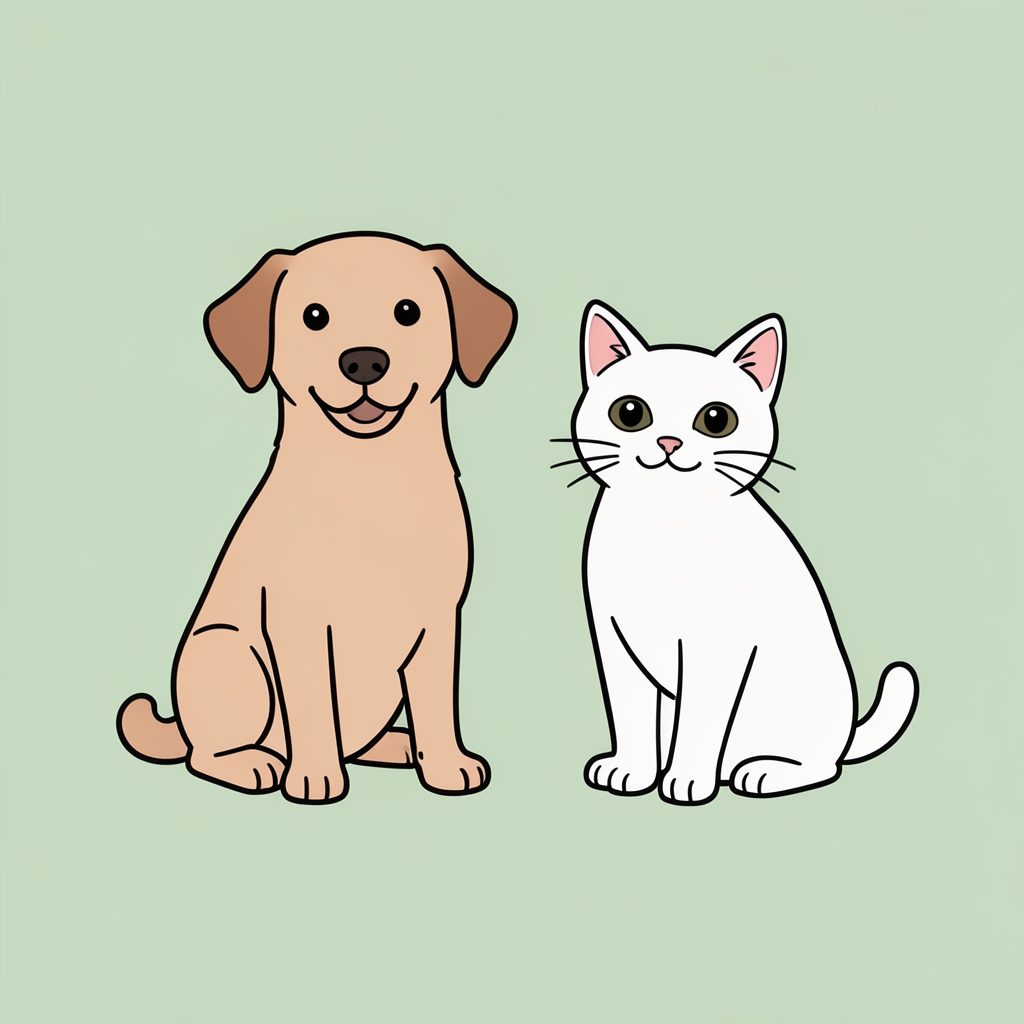
Keep your cat sharp and curious with everyday household items
Cats across Australia, particularly in suburbs of Sydney, Melbourne, and Brisbane, often spend their days inside because of local council rules and the need to protect native wildlife like possums and small parrots. When the backyard is closed off, the lounge room becomes the whole territory, and without enough to investigate, even a friendly moggy can grow bored, chubby, or a bit grumpy.
The good news is that you do not need to spend a fortune at the pet shop. Many of the best tools are sitting in the kitchen drawer, the recycling bin, or the laundry basket right now. A bit of creativity, a sprinkle of treats, and a few minutes of your time can turn ordinary household items into puzzles, scents, and games that keep whiskers twitching and brains buzzing.
Why mental stimulation matters for indoor cats
Australian indoor cats miss out on the constant stream of stimuli outdoor cats enjoy. Birds rustling in a grevillea, lizards darting across a path, wind moving through gum leaves, all give a cat something to process. Remove them, and the brain slows down. Behavioural issues like scratching the couch, yowling at 3am, or over-grooming often have less to do with spite than under-stimulation.
Veterinary behaviourists in Australia recommend scheduled play sessions to mimic the hunt, stalk, pounce, catch sequence a cat is wired for. Even an arvo spent tossing a scrunched paper ball satisfies that drive. Pet community sites such as Pets in the City share similar advice for apartment cats. A mentally worked cat is far more likely to nap peacefully on the rug rather than redecorate your curtains at midnight.
Cardboard boxes, castles and mazes
The classic cardboard box deserves its reputation. Cats crawl into them, ambush from them, and nap inside because the enclosed space feels safe while offering a perfect hiding spot. Cut a few extra entry holes with a Stanley knife, stack a couple together, and you have an instant fortress that costs nothing.
For an extra challenge, drop treats into different compartments of a multi-box maze and let your cat work out which pocket holds the kibble. Rotate the boxes every few days. A swap from a single box to a small tunnel network is often enough to spark fresh interest, especially for a cat that has mastered the first version.
Paper bags and fabric pouches
Paper bags from the supermarket, the kind without plastic handles, are brilliant for short enrichment bursts. Crumple a treat inside, fold the top down once, and let your cat sniff, paw, and dive. Many Australian cats love the crinkly sound, which mimics prey in dry grass. Always remove plastic or string first, and never leave a paper bag with a serious chewer.
Fabric pouches work just as well. An old sock tied in a knot, a tea towel wrapped around a jingling bell, or a beanie hiding a catnip sprinkle can all become treasure hunts. Place a few around the house during a quiet weekend morning, then watch your cat spend twenty minutes hunting them down like a tiny detective.
Toilet roll puzzles and treat dispensers
Empty toilet rolls and paper towel tubes are practically free enrichment stations. Fold one end closed, drop in kibble, fold the second end, and present it. The challenge of rolling, batting, and tearing the cardboard open keeps jaws and paws busy for fifteen minutes. It also slows down a greedy eater, which many Australian vets recommend for chunky house cats.
For something more advanced, thread three or four rolls onto a chopstick or dowel, rest them between two chair legs, and tuck treats inside each. Your cat will need to fish them out without knocking the rig over. Petbarn or Bunnings aisles often stock puzzle feeders for under fifteen Aussie dollars, a handy backup for rainy days when indoor play matters most.
DIY wand toys from spoons and string
A wooden spoon from the kitchen drawer, a metre of cotton string, and a feather or bit of scrunched foil is all you need. Tie the string securely to the handle, drag the lure across the floor in stops and dashes, and let your cat do the chasing. The unpredictable movement mimics real prey far better than a static toy.
Australian pet trainers often suggest two short ten-minute play bursts daily, rather than one long session, because it matches a cat's pattern of multiple short hunts. Store the wand out of reach to keep it safe and make it feel novel next time. A bit of mystery goes a long way.
Scent trails and texture stations
Cats experience the world heavily through smell, which is why a sniff trail can captivate them. Rub dried catnip on a cardboard scratcher, dab silvervine on a toy, or drag a cotton ball scented with cooked chicken broth across the floor. Rotate the scents weekly. Most suburban greengrocers in Australia stock fresh catnip in the herb section, especially during warmer months.
Texture stations are another easy win. Lay out a tea towel, hessian, a smooth ceramic tile, and a soft blanket in a quiet corner, and sprinkle a few treats across them. The different surfaces underfoot engage the paws while scent drives the nose, turning a dull Tuesday into a sensory event.
Keeping the routine fresh
The fastest way to ruin a good idea is to leave it out too long. Cats ignore familiar objects but lose their minds over something unseen for a week. A simple rotation, with half the household toys in a cupboard and half out, keeps every item feeling new. Swap them over every Sunday arvo and watch your cat react to "old" toys as if they were new.
Keep in mind that enrichment does not need to be elaborate. A piece of string across the kitchen tiles, a paper bag hiding one treat, a cardboard box rotated into a new corner. Each moment feeds the brain and strengthens the bond. If your cat loves curling up on your pillow, sleeping on your head is a sweet sign of trust. A cat that plays well during the day settles peacefully in the evening, which is good news for your pillow.
From a Queenslander verandah to a Perth unit balcony, the same rule applies. Cats who get to think, sniff, stalk, and solve daily puzzles live richer lives and behave better at home. The toys cost almost nothing, the time is modest, and the payoff is a sharper, more affectionate companion who uses that brilliant brain you fell in love with.