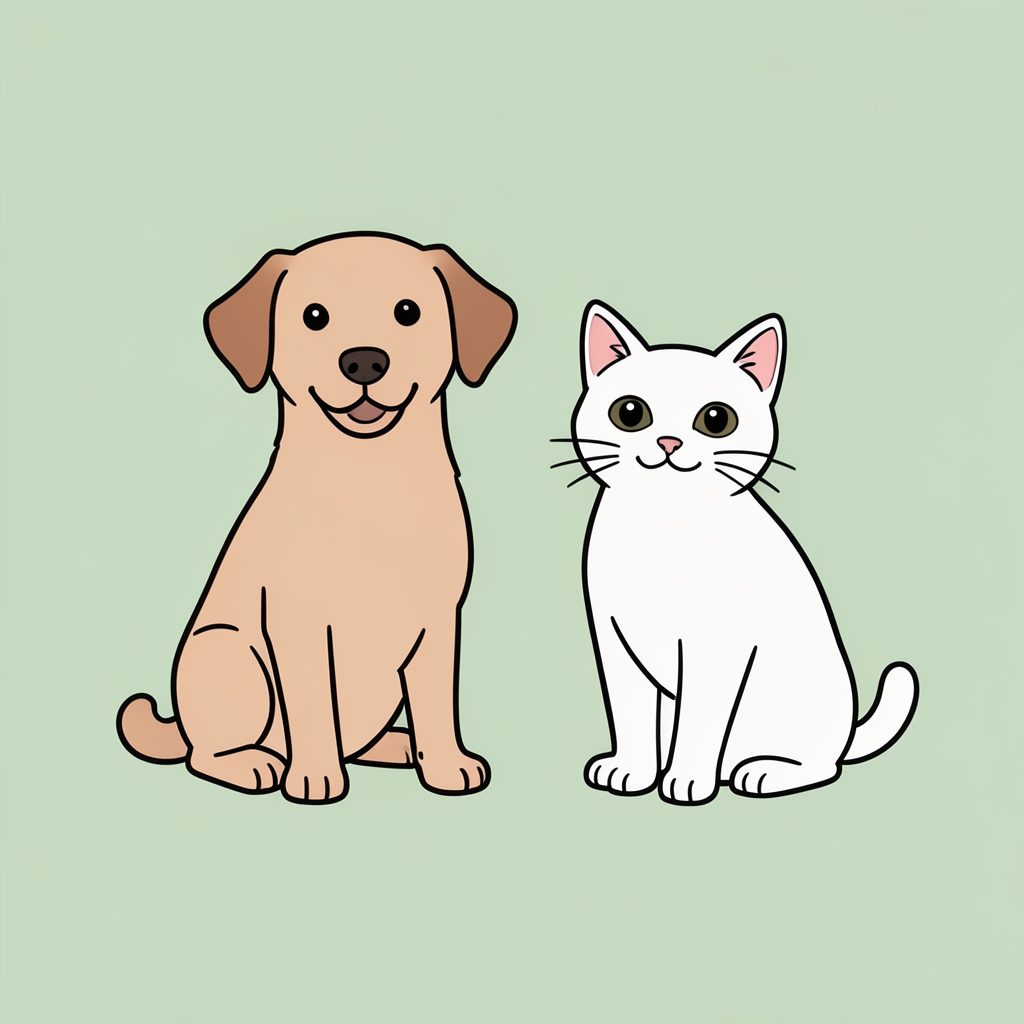
Welcoming an older dog or a playful pup: what to consider
Bringing a new dog into your home is a moment that reshapes daily life, from morning walks to weekend plans. One of the first decisions prospective owners face is whether to welcome a bouncing puppy or a calmer senior into the family. Each option carries its own rhythm, rewards, and responsibilities, and the right fit depends far more on your circumstances than on any universal rule.
Across Australia, shelters and rescue groups from Sydney to Perth are filled with dogs of every age looking for a second chance. Organisations like the RSPCA, Pet Rescue, and local council pounds regularly list both young pups surrendered by overwhelmed families and older dogs whose owners can no longer care for them. Shelter staff often note that senior dogs wait far longer than puppies before finding a home, which makes adoption an especially meaningful choice for those open to an older animal. Yet puppies continue to dominate adoption enquiries, fuelled by the appeal of a clean slate and a long future together.
Lifestyle plays a bigger role than most people expect. A high-energy puppy might suit a young family with a Brisbane backyard, while a senior grey-muzzle could be the perfect companion for someone in a Melbourne apartment who enjoys gentle strolls through local parks. Understanding your own routine, energy, and household setup helps narrow the decision before you ever meet a dog.
The sections below explore the key differences between welcoming a puppy and adopting an older dog, drawing on practical considerations rather than assumptions about which path is "better." Each dog is an individual, and the framework here simply helps you weigh what matters most to your situation.
Energy levels and daily routine
Puppies bring an almost exhausting enthusiasm. They require multiple toilet breaks throughout the day, short training sessions, and constant supervision to keep them safe and out of mischief. Expect to lose some sleep during the first few months and to rearrange your social calendar around their needs.
Senior dogs often settle into a home remarkably quickly. Many are already toilet-trained, accustomed to sleeping through the night, and content with two or three walks a day rather than constant stimulation. For people who work full-time or travel occasionally, this predictability can be a significant advantage.
That said, breed still matters enormously. A senior Border Collie may demand far more activity than a young Cavalier, and a working-line Kelpie puppy on a rural South Australian property will have completely different exercise needs compared to a small companion pup in a Hobart unit. Match the dog's energy to your own, not the age label.
Training and behaviour
With puppies, you have the opportunity to shape habits from the beginning. House training, leash manners, socialisation with other dogs, and exposure to Australian life — from car rides to café patios — all happen on your watch. This blank slate can be rewarding but demands time, patience, and often professional puppy classes, which are widely available through vet clinics and community centres in cities such as Adelaide and Canberra.
Adopting an older dog can mean inheriting behaviours you did not choose. Separation anxiety, resource guarding, or reactive tendencies may already be in place. However, many senior dogs are also well past the destructive chewing phase and have learned basic manners. With consistent guidance, older dogs can absolutely learn new skills and adapt to new households, often faster than people expect.
Health and veterinary care
Puppies require a series of vaccinations, parasite prevention, microchipping (compulsory in most Australian states), and desexing. In the ACT, mandatory desexing has been in place for years, and similar rules apply across much of the country. These initial costs add up quickly, though ongoing veterinary expenses for a young healthy dog are generally lower in the early years.
Senior dogs frequently come with known health conditions — arthritis, dental disease, or heart issues are common — which means more frequent vet check-ups and potentially higher ongoing bills. Many rescues cover initial veterinary work before adoption and provide full medical histories, helping owners plan financially. Pet insurance is worth considering either way, particularly because treatment costs in Australia have risen steadily in recent years.
Bonding and emotional connection
The bond with a puppy grows gradually as you watch them learn and explore the world. There is something uniquely tender about those first weeks, and many owners cherish the photos of clumsy early days.
With a senior dog, the connection often forms quickly and intensely. These dogs seem to understand they have been given a second chance, and the gratitude they show can be profoundly moving. Saying goodbye tends to come sooner, which is the hardest part of choosing an older companion, but many adopters find the years they share feel all the more meaningful because of it.
Costs and long-term planning
Financially, puppies usually cost less in the first year of ownership beyond the initial setup, but they require ongoing investment in training, socialisation, and supplies. Senior dogs may need more medical care but fewer toys, fewer replacements for chewed shoes, and less intensive supervision.
Think about your next decade rather than just your next year. If you are settled in your career, your home, and your routines, an older dog may slot in beautifully. If your life is still shifting — a possible move interstate, a growing family, or changing work hours — a puppy that grows alongside those changes may be a better match. Either way, adoption from a local rescue or council pound remains one of the most rewarding ways to find a loyal Australian companion.
The clearest path forward often begins with quiet honesty: list your typical day, your budget, your housing situation, and the kind of bond you hope to build. Meeting a range of dogs at local shelters usually makes the choice clearer, and the right match rarely depends on age alone — it comes down to temperament, energy, and the quiet chemistry between you and the dog waiting for you.