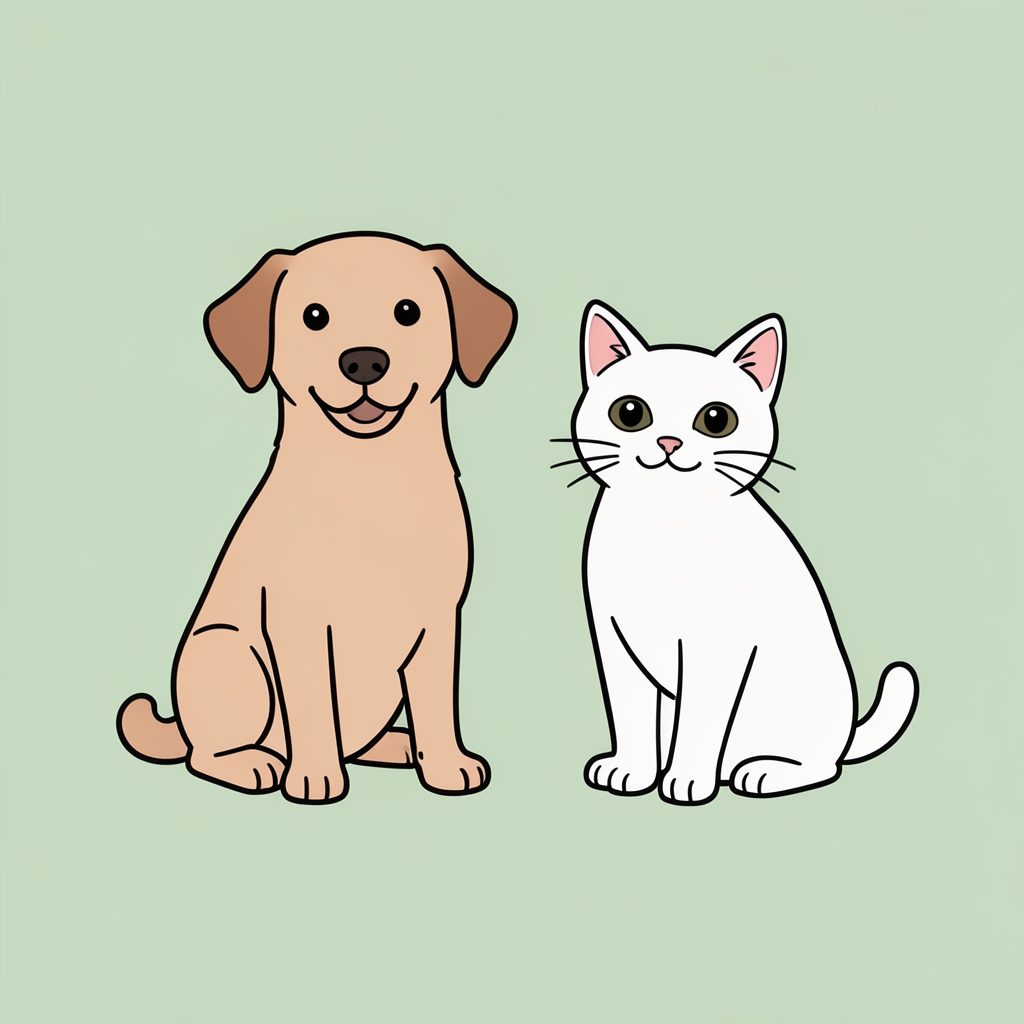
Managing Food Bowl Aggression In Multi-Pet Homes
Food bowl aggression between dogs, cats, or mixed-species companions can turn an ordinary mealtime into a source of tension. Growling, stiff body language, staring, snapping, rushing another animal’s bowl, or guarding an empty dish are all signs that a pet feels the need to protect food. This behaviour is commonly called resource guarding, and it can escalate if animals are repeatedly left to compete.
The safest approach combines management, gradual behaviour training, and an understanding of each pet’s needs. A quiet feeding routine is especially important in busy Australian households, whether pets share a small Sydney flat, a suburban home in Brisbane, or a large property outside Adelaide. The aim is to prevent conflict while building confidence around food.
Recognise The Early Warning Signs
Aggression rarely begins with a bite. A pet may first hover over the bowl, eat unusually fast, freeze when another animal approaches, turn its head to shield the food, or show the whites of its eyes. Cats may flatten their ears, swish their tails, hiss, or carry food away to a hidden location. Dogs may stand rigidly, lower their head, curl their lips, or give a low growl.
Do not punish a warning such as a growl. The sound is useful communication, and correcting it can teach a pet to stop warning without reducing its anxiety. Instead, calmly create distance and separate the animals. Owners seeking broader practical pet guidance can also keep notes about triggers, meal timing, food types, and which animals are involved.
A sudden change in appetite or aggression deserves attention from a veterinarian. Dental pain, gastrointestinal discomfort, medication effects, or increased hunger caused by illness can alter feeding behaviour. A veterinary behaviourist may be appropriate when there has been a bite, repeated attacks, or serious guarding around people as well as other pets.
Separate Pets Before Food Appears
Physical separation is the most reliable way to prevent food-related fights. Feed pets in different rooms with closed doors, behind sturdy baby gates, or in separate crates if each animal is already comfortable with crate use. Keep bowls far enough apart that pets cannot stare at, rush, or reach one another through a barrier.
Prepare meals before releasing the animals into their feeding spaces. This avoids a crowded kitchen where pets compete for attention and food. In Australian homes, this can be particularly helpful during hot summer weather, when animals may already be restless and indoor spaces become busy. Offer fresh water in several locations so one pet cannot control access to every bowl.
Allow each animal to finish undisturbed, then remove bowls before opening the doors or gates. If one pet eats slowly, give that animal a secure area where it can take its time. Never allow a fast eater to patrol the house and clean up another pet’s leftovers.
Build A Predictable Feeding Routine
Regular meal times can reduce uncertainty. Measure each portion before serving, and use the feeding instructions on the packaging as a starting point rather than an exact rule for every animal. Activity level, age, body condition, and health all affect daily requirements. Australian owners may use supermarket brands, specialist pet-food retailers, or locally produced diets, but the same portion and supervision principles apply.
For dogs that gulp food, a puzzle feeder, snuffle mat, or slow-feed bowl can lengthen the meal. Introduce these tools separately from the other pets so frustration does not add to the problem. Cats may benefit from several small meals, elevated feeding spots, or separate stations where a dog cannot approach them.
Keep high-value extras, such as bones, dental chews, raw meaty treats, and special training rewards, away from shared spaces. Raw foods also require careful hygiene: wash hands, clean surfaces, and avoid allowing pets to carry food through the home. During family gatherings, ask visitors not to feed animals from the table, as unexpected treats can increase competition.
Teach Calm Behaviour Around Food
Training should begin at a distance where the guarded pet can remain relaxed. With a dog, an adult can stand several metres away while the dog eats and gently toss a desirable treat towards the bowl, then walk away. The message is that a person approaching predicts something beneficial, not that food will be taken. Over multiple sessions, reduce the distance only when the dog remains loose and comfortable.
Never put your hand in a bowl, deliberately take food away, or test whether a pet will tolerate interference. These actions can increase defensiveness. For cats, avoid reaching towards a guarded dish; instead, place a treat at a safe distance and leave the area. Progress should be measured by relaxed posture and calm eating, not by how close a person can get.
Children should not participate in this training unless a qualified professional is supervising. They may not recognise subtle warning signs, and even a familiar pet can react quickly when frightened. All training should stop if an animal stiffens, stops eating, growls, hisses, lunges, or repeatedly scans for another pet.
Manage The Whole Household
Food guarding can involve more than bowls. Dogs may protect food packets, rubbish bins, cupboards, dropped scraps, or a person who is holding a treat. Cats may guard a feeding shelf or preferred location. Keep bags and containers sealed, use lidded bins, and clean up spills immediately. In multi-pet homes, consider microchip-activated feeders if one animal steals food or requires a prescription diet.
Everyone in the household should follow the same routine. A pet may become confused if one person allows free access to another animal’s bowl while someone else enforces separation. Write down feeding times, portion sizes, medication instructions, and which doors or gates must remain closed.
If pets have already fought, do not force them to eat near each other as a bonding exercise. Reintroduce shared household movement gradually, while meals remain fully separate. RSPCA Australia and local veterinary clinics can provide direction, and trainers experienced in positive reinforcement can help design a safe behaviour plan in cities such as Melbourne, Perth, or Canberra.
A peaceful mealtime depends on prevention rather than confrontation. Separate pets before bowls appear, remove leftovers promptly, protect slow eaters, and reward calm behaviour without challenging a guarded animal. The practical takeaway is simple: every pet should have a secure feeding space where it can eat undisturbed, every day.