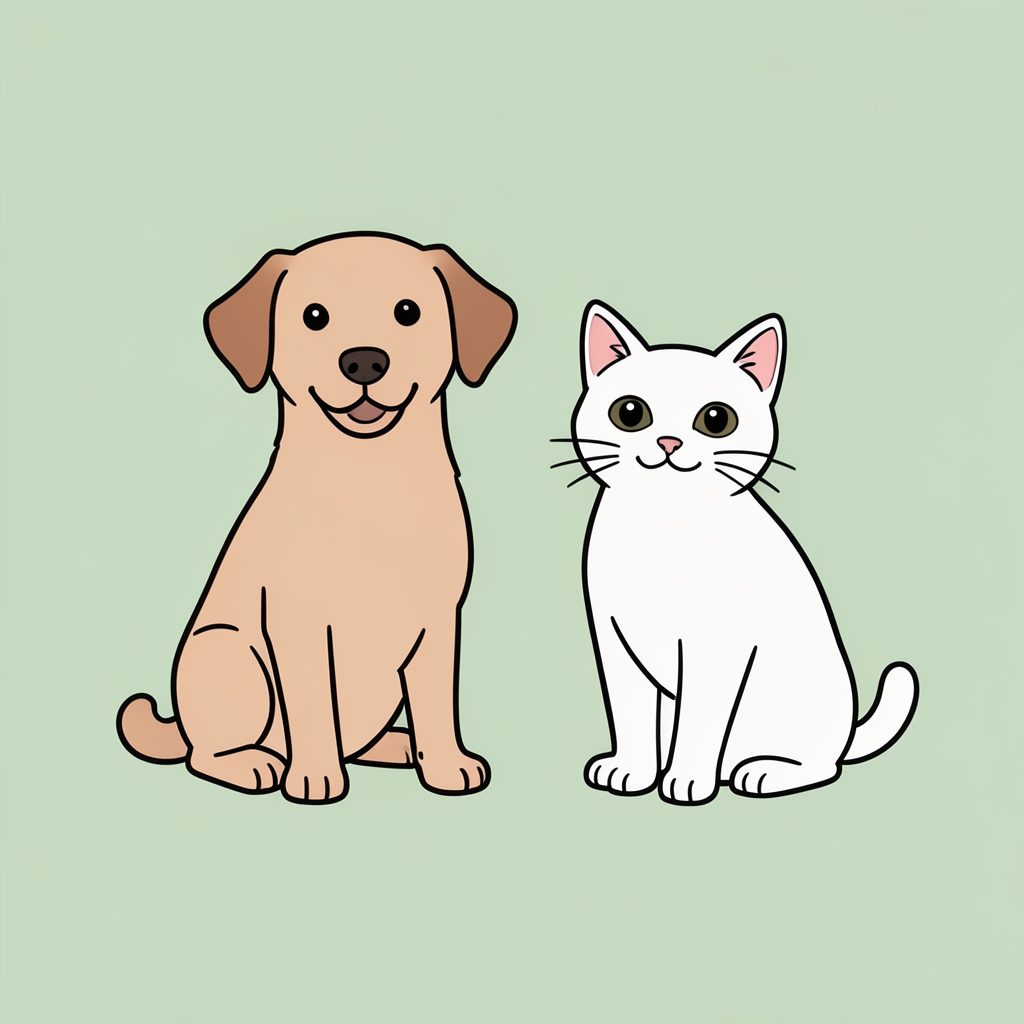
How To Keep Your Dog Cool And Safe During Summer Heat
Summer gives dogs more opportunities for walks, play, and outdoor time, but warm weather also creates serious health risks. Dogs cannot cool themselves as efficiently as people do, and hot pavement, humid air, and direct sunlight can quickly become dangerous.
A safe summer routine combines fresh water, shade, sensible exercise, and close observation. Breed, age, weight, coat type, and existing medical conditions all affect how a dog handles heat, so outdoor plans should be adjusted to suit the individual animal.
Understanding Heat Risk
Dogs mainly release heat through panting and limited sweating through their paw pads. Flat-faced breeds such as Bulldogs, Pugs, and Boxers may struggle sooner because of restricted airways. Puppies, senior dogs, overweight pets, and dogs with heart or respiratory problems also need extra protection.
Humidity increases the danger because panting becomes less effective when the air is already saturated with moisture. A dog can overheat during a short outing, especially after intense running or while inside a poorly ventilated space. Never rely on a cracked car window; temperatures inside vehicles can become deadly within minutes.
Make Water And Shade Easy To Find
Provide clean, cool water throughout the day and check the bowl often when your dog is outdoors. A second bowl can help prevent interruptions if one is knocked over. Portable water bottles or collapsible bowls are useful for walks, hikes, and trips to the park.
Outdoor areas should include genuine shade from trees, a canopy, or a well-ventilated shelter. A doghouse may become hotter than the surrounding air if it sits in direct sun. Cooling mats, damp towels, and shallow wading pools can offer additional relief, but your dog should always be able to move away from them.
Avoid placing ice directly against a dog’s skin for extended periods. Sudden extreme cold can cause discomfort and may lead to blood vessel constriction. Cool, fresh water and gradual cooling are safer choices.
Adjust Exercise And Travel
Plan walks for early morning or later evening, when temperatures and pavement surfaces are lower. Use the back of your hand to test asphalt before leaving. If it feels too hot for your skin after several seconds, it can burn your dog’s paw pads.
Replace strenuous exercise with gentle sniffing walks, indoor training, or short play sessions during a heatwave. Carry water and watch for slowing down, excessive panting, seeking shade, or reluctance to continue. These are signals to stop rather than encouragement to push on.
| Summer activity | Safer approach | Main concern |
|---|---|---|
| Neighborhood walk | Go at dawn or after sunset | Hot pavement and humidity |
| Backyard play | Use shade, water, and short sessions | Overexertion |
| Hiking | Choose cool trails and carry extra water | Remote access to veterinary care |
| Beach visit | Provide shade and rinse off salt | Hot sand, dehydration, and swallowed seawater |
| Car travel | Use air conditioning and frequent breaks | Rapid temperature rise inside vehicles |
Recognize Heat Exhaustion Quickly
Early signs of overheating include heavy or unusual panting, excessive drooling, bright red gums, weakness, restlessness, and difficulty walking. Vomiting, diarrhea, confusion, collapse, seizures, or unconsciousness may indicate heatstroke, which is a life-threatening emergency.
Move the dog to a cool, shaded area immediately and contact a veterinarian or emergency clinic. Offer small amounts of water if the dog is alert and able to swallow. Apply cool, wet towels to the neck, chest, groin, and paw pads, replacing them as they warm. Avoid wrapping the entire body in a wet blanket, which can trap heat.
Do not wait for symptoms to disappear before seeking professional advice. Internal organ damage can continue even after a dog appears calmer, and a veterinary examination may be needed after significant overheating.
Protect Paws Skin And Coat
Hot surfaces are not the only summer hazards. Grassy areas may contain pesticides, sharp seed heads, or irritating plants. Rinse paws after outdoor time and inspect between the toes for burns, cracks, swelling, or foreign objects.
Regular brushing can remove loose undercoat and improve airflow, particularly in long-haired dogs. However, shaving a double-coated breed is usually unnecessary and can reduce natural protection from sunlight and temperature changes. Ask a professional groomer or veterinarian about coat care for your dog’s breed.
Use pet-safe sunscreen only on exposed areas such as the nose, ear tips, or thinly haired skin, and prevent licking until the product is absorbed. Human sunscreen may contain ingredients that are harmful when swallowed.
Daily Habits That Lower Risk
A dependable routine makes heat safety easier to maintain. Before every outing, consider the temperature, humidity, surface conditions, duration, and access to water. Keep identification details current in case an open gate or startling event leads to an escape.
- Carry water and a collapsible bowl on every warm-weather walk.
- Keep outdoor play brief and pause often for shade and rest.
- Check pavement, sand, and metal surfaces before allowing contact.
- Provide airflow and never leave a dog unattended in a parked vehicle.
- Learn the location and phone number of the nearest emergency veterinarian.
Dogs may continue playing even when they are already overheated, so owners must decide when an activity ends. Calm indoor enrichment, frozen food toys, and reward-based training can keep a dog mentally engaged while reducing exposure to intense midday heat.
A cool, supervised environment is the foundation of summer pet care. Build these habits into daily life, watch for subtle changes in behavior, and act promptly when something seems wrong. Subscribe to the Rollover Hunger newsletter for practical dog care guidance and seasonal advice that helps your companion stay comfortable and safe.